
Physiotherapist for Bruxism and Jaw Pain Treatment
An increasing number of people suffer from these conditions, and physiotherapy has become one of the most effective approaches for relieving symptoms such as pain, jaw locking when opening or closing the mouth, joint noises and clicking, fatigue in the chewing muscles, and more.
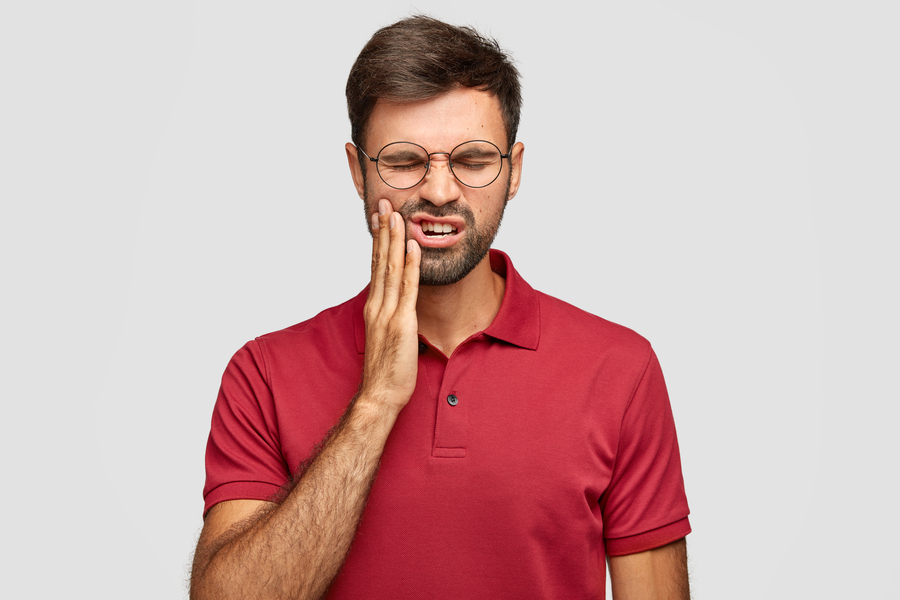
Symptoms
Symptoms related to jaw disorders or bruxism can limit normal mouth function, such as opening the jaw fully, chewing hard or resistant foods, speaking for long periods, or yawning. These limitations can interfere with social interactions, relationships, and eating, ultimately reducing quality of life.
Pain in the TMJ or ear
Jaw restriction or locking
Fatigue while chewing
Muscle stiffness or tension
Clicking and other noises when moving the jaw
Difficulty eating certain foods
How do we help you?
Your specialist physiotherapist will carry out a comprehensive assessment of your jaw using detailed examination techniques. Instrumental and, when appropriate, technological methods are used to measure each aspect of jaw function. We will identify the source of your pain, jaw locking, or other symptoms and clearly explain all the factors related to your condition.
Assessment and measurement of jaw movement
Specific questionnaires for jaw disorders and bruxism
Quantitative and qualitative analysis of chewing function
Muscle palpation and examination
Pain diagnosis, measurement, and evaluation
Explanation of your condition and answers to your questions
Treatment
Once the assessment has been completed, we establish your treatment plan. It has two main objectives. The first is to relieve and/or resolve pain, jaw locking, or symptoms affecting the jaw, the temporomandibular joint (TMJ), or those associated with bruxism. The second is to provide you with the strategies and guidance needed to prevent the problem from recurring and, if it does recur, to ensure you have the tools to manage it more effectively.
Manual therapy for the TMJ
Massage of the chewing muscles
Specific therapeutic exercises
Jaw self-mobilization exercises
Chewing rehabilitation and training
General cardiovascular exercise
Meditation and sleep hygiene recommendations
Book Your Appointment
TMJ disorders and bruxism generally respond well to treatment when approached comprehensively.
On average, treatment consists of 5–6 sessions, although significant improvement can often be achieved even after the first session.
Most Common Diagnoses Related to Jaw Pain
Some of the most common jaw conditions successfully treated with specialized physiotherapy include temporomandibular joint pain (commonly known as TMJ disorders) and bruxism.
An increasing number of people experience these conditions. Although their causes are varied, physiotherapy has proven to be one of the most effective treatments for symptoms such as pain, jaw locking during opening or closing, joint clicking and noises, fatigue of the chewing muscles, and related complaints.
Jaw pain may have several different causes, which is why a specialist physiotherapist is responsible for identifying the source of the problem and recommending the most appropriate combination of manual therapy and exercise. Among the most common causes are muscle contractures, displacement of the TMJ disc, TMJ dislocations or subluxations, irritation of certain ligaments, and nerve entrapment.
Other conditions that are frequently mistaken for TMJ-related pain include toothache—particularly pain originating from wisdom teeth—and ear pain caused by ear infections (otitis). When pain is present in the jaw or ear and a dentist or an ear, nose, and throat (ENT) specialist has ruled out dental or ear disorders, the appropriate healthcare professional to consult is a physiotherapist specialized in jaw disorders.
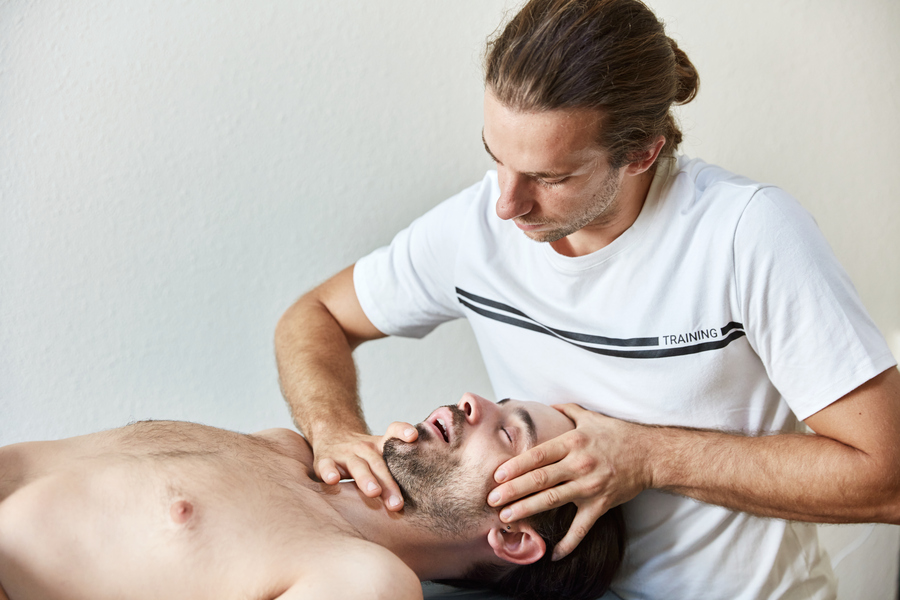
Specialized physiotherapy for the jaw region, also known as TMJ physiotherapy, uses techniques such as manual therapy, massage, dry needling, and various exercise-based strategies to treat and resolve TMJ pain, jaw locking, and disc displacements.
Many patients are also diagnosed with bruxism by their dentist and treated with occlusal splints (night guards).
Bruxism is the involuntary activity of the chewing muscles during the day or at night, which may lead to clenching or grinding the teeth. It is often diagnosed through signs of tooth wear or clenching observed in the teeth or oral cavity.
Although bruxism manifests itself in the mouth, dental treatment is mainly preventive. In other words, it helps prevent further damage caused by bruxism but does not resolve the condition itself.
Specialized physiotherapy focuses on addressing the underlying problem by incorporating exercise strategies to reduce the activity of the chewing muscles. In addition, symptoms associated with bruxism—such as pain or fatigue in the masseter and temporalis muscles, difficulty or stiffness when opening the jaw, or certain types of headaches—can be effectively treated with manual therapy.
TMJ (Temporomandibular Joint)
The jaw joint, known as the temporomandibular joint (TMJ), is the pivot point that allows jaw movement. Various disorders affecting the TMJ can lead to jaw dysfunction, making it difficult to perform activities such as yawning, taking a large bite, or chewing hard or resistant foods. They can also interfere with daily activities such as speaking and may affect social and intimate relationships.
Symptoms
Jaw disorders and bruxism can impair normal mouth function. The most common symptoms associated with TMJ dysfunction include:
Dolor de mandíbula
Joint clicking
Jaw locking
Pain while chewing
Limited mouth opening
Headache
Assessment
During the assessment, we focus on understanding how the pain or condition affects the functions of the jaw and how these interfere with participation in daily activities.
Functional and disability questionnaires
Palpation sensitivity assessment
Measurement of jaw opening and jaw movements
Chewing function tests
Treatment
Once the assessment has been completed, we establish your treatment plan.
We will help you using safe procedures tailored to your specific condition. Every treatment is based on our clinical assessment, and we will explain each procedure in detail beforehand while answering any questions you may have.
Treatment may include:
Manual therapy (joint mobilizations, massage, etc.)
Chewing rehabilitation and training
Mobility exercises
Home exercise and self-care recommendations
The temporomandibular joint (TMJ) is a synovial joint formed by the mandible and temporal bones. It is enclosed by a joint capsule, and between the bones lies the articular disc, which is stabilized by ligaments. The joint is primarily moved by the coordinated action of the masseter, temporalis, and pterygoid muscles, although many other muscles also contribute. The combined function of all these structures allows us to perform the essential movements of the jaw. When these structures become damaged or dysfunctional, pain or other symptoms such as jaw locking or joint noises may occur.
TMJ disorders affect between 4% and 12% of the population aged 20 to 40 each year. It is very common for people with jaw pain to consult a dentist or an ear, nose, and throat (ENT) specialist, as the symptoms may be mistaken for toothache or ear pain. However, the diagnosis should be made by a professional with expertise in this field, whether a dentist, physiotherapist, or ENT specialist.
Currently, undergraduate programs in dentistry, physiotherapy, and otolaryngology do not provide in-depth training in the diagnosis and treatment of TMJ disorders. As a result, professionals qualified in this area have undertaken specialized postgraduate training after completing their university studies.
TMJ pain or dysfunction may have different causes, and only an expert assessment can determine the underlying jaw condition.
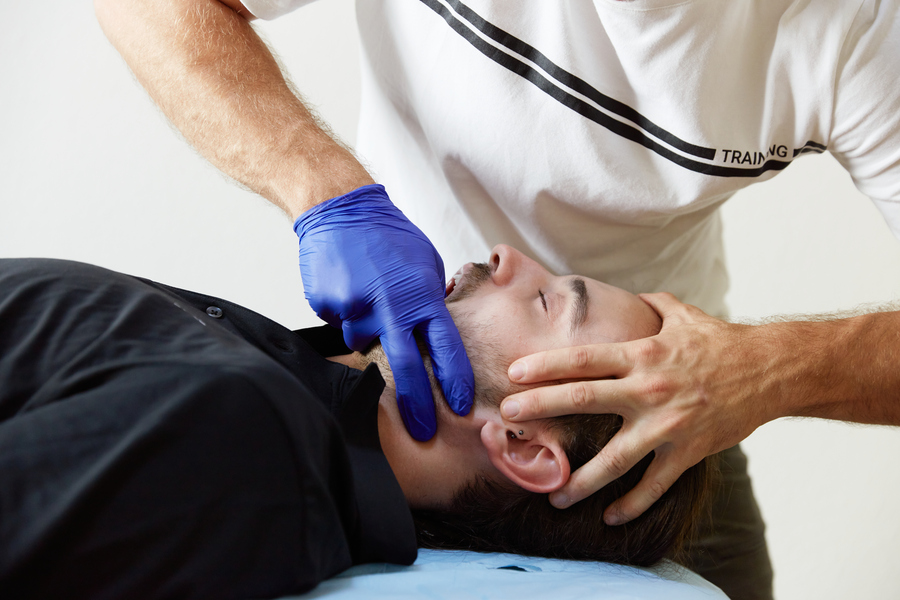
Below is a brief overview of the possible causes of TMJ pain or dysfunction:
- Disc and Condyle Disorders: Disc displacement or dislocation, with or without reduction, and adhered disc syndrome. These conditions may cause TMJ pain, joint noises, or jaw locking when opening the mouth.
- Capsular and Ligament Disorders: Capsulitis, synovitis, instability, or excessive mobility of the TMJ. These conditions may present with localized or diffuse pain, accompanied by joint noises or locking during mouth closure, often creating a sensation of jaw instability. The noises are typically more like coarse crepitation than distinct joint clicks.
- Inflammatory or Degenerative Disorders: Inflammatory and degenerative conditions such as arthritis and osteoarthritis of the TMJ may cause pain. Osteoarthritis often develops progressively, with fine crepitation and gradually reduced mouth opening, while arthritis may present with episodes of inflammation, pain, and stiffness.
- Pain in the Masseter, Temporalis, or Pterygoid Muscles: Commonly referred to as muscle contracture or myofascial pain syndrome of the chewing muscles. Muscle pain or dysfunction may result in jaw pain, chewing fatigue, or stiffness when opening the mouth.
- Headache Attributed to TMJ Disorders: TMJ joint or muscle dysfunction can sometimes lead to headaches. These headaches typically occur after chewing or upon waking in the morning and are usually temporary, although they may present in other ways.
The most common causes of these problems can vary greatly:
- Trauma sustained during contact sports (basketball, hockey, handball, football, or martial arts).
- Long or complicated dental procedures.
- Disorders affecting chewing or the chewing muscles (e.g., bruxism).
- Stress combined with one or more of the factors above.
Want to know more?
Temporomandibular joint (TMJ) disorders can be very persistent if all the variables involved are not addressed. The jaw has multiple functions and, therefore, the TMJ and its muscles require many different capacities to carry out all of their functions. If you want to understand a little more about how the TMJ works and how TMJ disorders are classified, don’t forget to visit our Blog:
- The TMJ Paradox: More Pathology, Better Function.
- Diagnostic Criteria for Temporomandibular Disorders (DC/TMD).
Bruxism
Bruxism is defined as the involuntary activity of the muscles of mastication and is associated with various symptoms in the jaw region.
We distinguish between bruxism that occurs during sleep (Sleep Bruxism) and bruxism that occurs during wakefulness (Awake Bruxism).
Symptoms
The most common signs and symptoms associated with sleep bruxism or awake bruxism are:
Upon waking:
Dolor de mandíbula
Jaw locking
Headache
Jaw limitation/stiffness
During the day:
Clenching or grinding the teeth
Fatigue or pain in the muscles of mastication
Headache
Signs:
Tooth wear
Clenching marks on the oral mucosa or the tongue
Sensitivity when in contact with air or cold liquids
Assessment
During the assessment, we focus on understanding how the pain or condition affects the functions of the jaw and how these interfere with participation in daily activities.
Bruxism questionnaire
Oral cavity inspection
Palpation of the muscles of mastication
Chewing tests
Autonomic nervous system activity analysis
Treatment
Treatment for bruxism is prescribed according to whether sleep bruxism, awake bruxism, or both are present. It is fundamentally divided into two aspects. The first consists of modifying the symptoms, that is, relieving the pain, morning fatigue, muscle contractures, or other symptoms. The second focuses on changing habits, since incorporating or modifying certain habits leads to a reduction in bruxism.
Massage, dry needling
Aerobic exercise
Muscle exercises
Cognitive-behavioural strategies
It is important to know that all humans clench their teeth at some point. What is important is to understand how often and how intensely we do it, and what the triggers are that lead us to clench.
Bruxism may be associated with an increased risk of developing muscle pain, pain in the temporomandibular joint (TMJ), or a worsening of oral health-related quality of life.
The symptoms associated with sleep bruxism usually appear in the morning and are transient or decrease throughout the day, although they may occasionally persist. These symptoms may include jaw pain or fatigue, headache, or difficulty opening the jaw during the first minutes or hours of the morning.
During an initial visit to a dentist, signs of clenching and tooth wear are commonly identified, such as increased muscle tone or contractures of the masseter or temporalis muscles, or sensitivity to air or cold liquids in the mouth. These signs do not necessarily mean that a person currently has bruxism, as they may be the result of a previous period of bruxism. In fact, 80% of people with signs of tooth wear are not currently bruxists, and one possible explanation is that they were in the past. Even so, the presence of these signs is a reason to carry out a more in-depth assessment by analysing other variables that will be measured during a specialised physiotherapy consultation.
In awake bruxism, the symptoms are very similar to those of sleep bruxism, but they are more closely related to moments of perceived stress in specific situations such as work, social interactions, or other circumstances.
The causes of bruxism can be multiple, but the most extensively studied cause in primary bruxism—that is, bruxism that is not caused by the use of medication or other substances—is stress and anxiety. When we experience acute stress or live under constant stress, the neurons that send signals to the muscles of mastication may become more excitable, causing these muscles to contract. This contraction appears to be associated with a reduction in stress markers in the brain, the blood, and immune cells, meaning that bruxism acts as a way of reducing stress. People with moderate or severe bruxism are advised to follow stress management strategies. Among these strategies is exercise, which will be beneficial provided it is properly prescribed by a physiotherapist specialised in jaw disorders and therapeutic exercise.
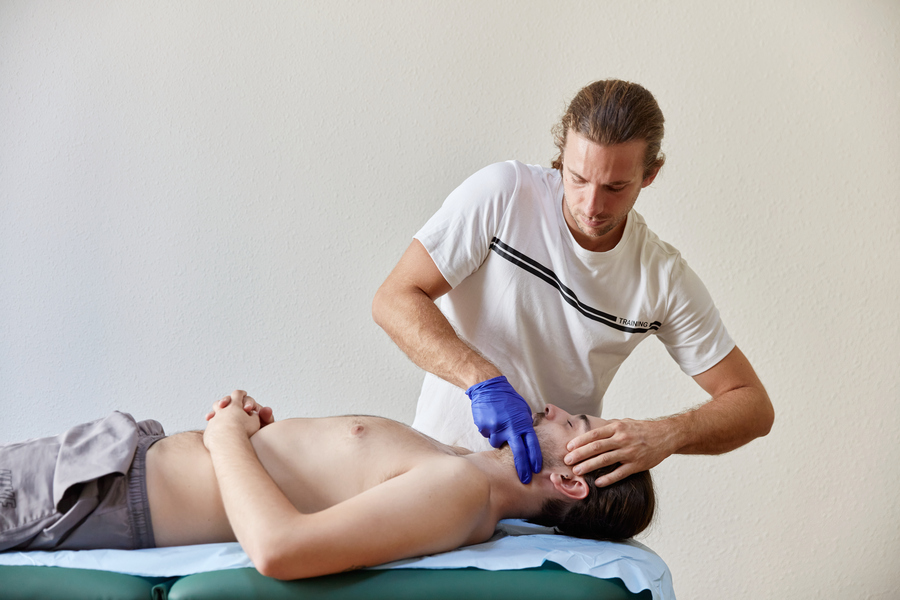
Physiotherapy specialised in bruxism focuses first on treating symptoms such as jaw pain, muscle contractures, or muscle tension and, subsequently, on teaching how to enhance other physiological stress-relief pathways in order to reduce bruxism activity. Physiotherapy treatment can be perfectly combined with dental treatment, which generally aims to prevent further tooth wear and/or repair existing wear.
To find out whether you may have bruxism, you can complete the Self-Reported Bruxism Questionnaire available at the following link:
Self-Reported Bruxism Questionnaire
Want to know more?
Bruxism has been studied by science for hundreds of years, but researching it has involved many challenges, which is why there are numerous myths surrounding it. Learn much more by visiting our Blog posts on this topic.
- Rethinking Bruxism: Part I. What Is It and What Is It For?
- Rethinking Bruxism: Part II. Diagnosing Bruxism.
- Rethinking Bruxism: Part III. Can It Be Treated? How?
Post-Surgical Rehabilitation
Surgery involving the jaw and skull region makes it possible to reconstruct or reshape the bones for a variety of purposes. The most common procedures are:
- Orthognathic surgery: This consists of aligning or correcting the dimensions of the jaw bone so that it has symmetrical proportions between the right and left sides. Its main objective is to restore jaw function through facial symmetry.
- Post-traumatic facial reconstruction surgery: Performed following traffic accidents, skiing accidents, cycling accidents, or similar injuries. These procedures usually involve repairing the mandibular condyle with the aid of osteosynthesis materials or by using a joint prosthesis. Their objective is to restore facial symmetry while preserving the functions of the cranial structures and organs.
- Tumour resection surgery: The removal or resection of tumours affecting the skull bones, tongue, or jaw may impair both the function and capacity of the cranial and mandibular region, as well as overall quality of life. Physiotherapy focuses on assessing function and the ability to restore or readapt the basic functions of the jaw, aiming to improve oral health-related quality of life specifically, as well as overall quality of life. In some cases, facial reconstruction surgery is also performed, and these patients likewise benefit from rehabilitation guided by a physiotherapist specialised in jaw disorders.
Although facial symmetry greatly benefits many patients, rehabilitation can be long and insufficient if it is not supervised by a specialised physiotherapist. Following surgery, rehabilitation should focus on reducing pain and promoting proper bone healing while progressively and carefully restoring the normal functions of the jaw.
These functions include:
- Chewing quality
- Chewing endurance
- Maximum chewing force
- Joint mobility
- Pressure sensitivity
Specialised physiotherapy provides guided treatment so that patients who undergo surgery feel confident throughout their recovery, reducing risks and supporting them towards a complete rehabilitation.
Want to know more?
Additional information about orthognathic surgery and post-surgical physiotherapy can be found in the following Blog posts:
- Indications for Orthognathic Surgery: When Is It Indicated and What Are the Risks and Benefits?
- Surgical Options for the TMJ: When and How.
